
Materials
Cellulose acetate, and why it behaves the way it does.
Acetate is a plant-derived thermoplastic supplied to the factory as sheet. Almost everything a buyer notices about a finished frame — depth of colour, weight, how it polishes, whether it can be adjusted — traces back to the sheet it was cut from.
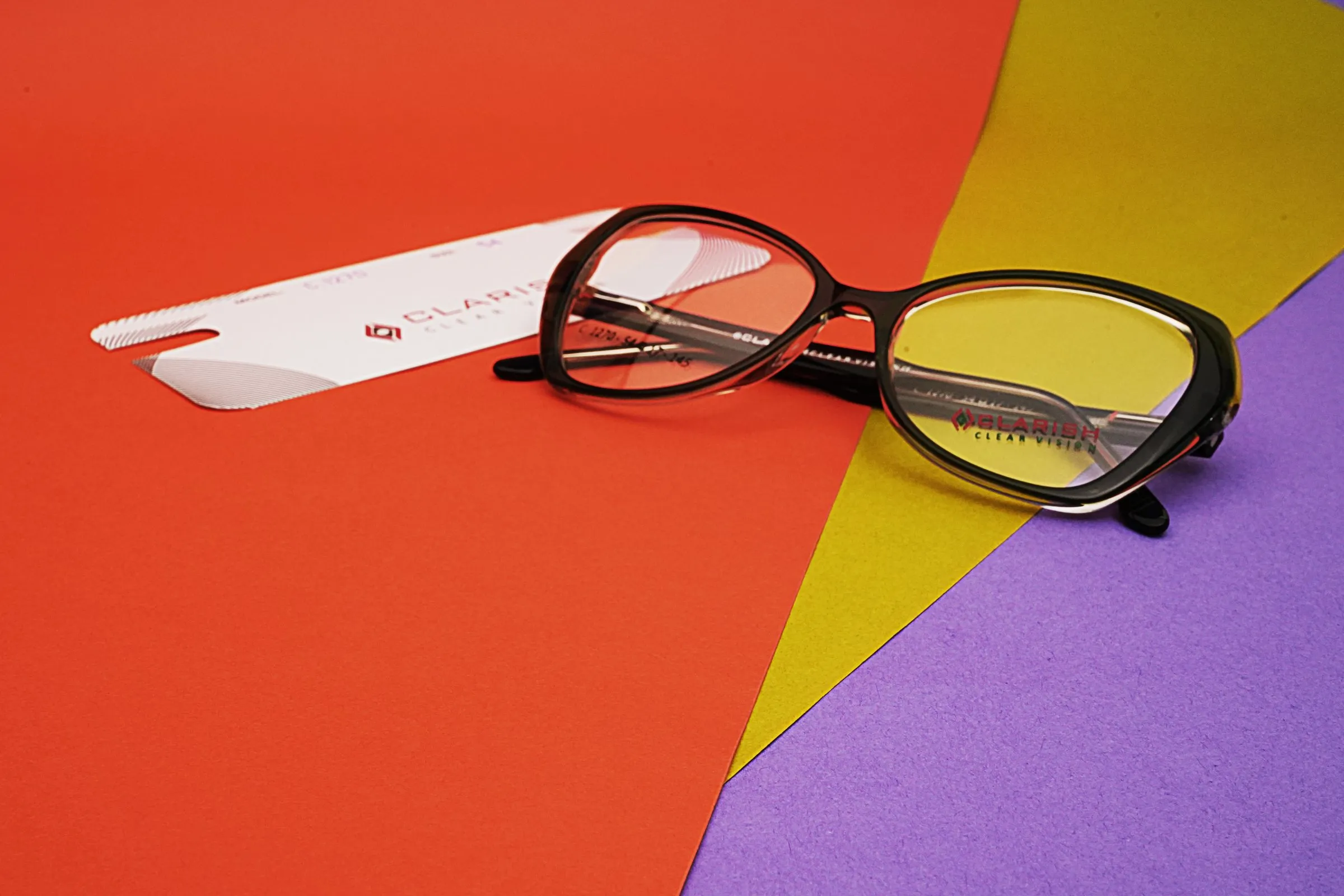
The material
Made from cellulose, not petroleum.
Cellulose acetate is produced by treating purified cellulose — typically from wood pulp or cotton fibre — with acetic acid and acetic anhydride. The result is a thermoplastic that can be pigmented, pressed into sheet and then machined.
That origin is worth understanding for two reasons. It is why acetate frames feel different from the injection-moulded plastic used in low-cost eyewear, and it is why lead times include a curing period — freshly pressed sheet needs to stabilise before it can be cut without moving later.
We work in acetate because it suits the kind of eyewear our customers sell: optical frames and sunglasses that need to survive daily handling, be adjusted in store, and still look considered on a shelf next to established brands.
Properties
Four things acetate does well.
Colour through the section
Acetate is coloured as a sheet, not on the surface. Cut through a finished temple and the colour is still there. A scuff on the rim does not reveal a different material underneath, which is the practical difference between acetate and a painted injection-moulded frame.
Heat-adjustable
Acetate is a thermoplastic. Warmed, it becomes pliable enough for an optician to set the temple angle and nose fit to the wearer, then it holds that shape once cool. For a retailer this matters more than most specifications on a datasheet — it is what makes a frame fittable.
Takes a deep polish
The gloss on a good acetate frame comes from mechanical polishing, not lacquer. Frames are tumbled with polishing media over an extended cycle, then finished at the buff. It is slow, and it is the stage most often cut short on cheaper production.
Density you can feel
Acetate is heavier than injection-moulded plastic of the same shape. That weight reads as substance in the hand, which is why it remains the material of choice for premium optical ranges even where lighter options exist.
Sheet selection
The sheet decides the frame.
Before anything is cut, the sheet is chosen for colour, pattern and thickness. These are the constructions we work with most often.
- Solid
- A single colour through the full thickness. The most straightforward to machine and the most predictable to reproduce across repeat orders.
- Laminated
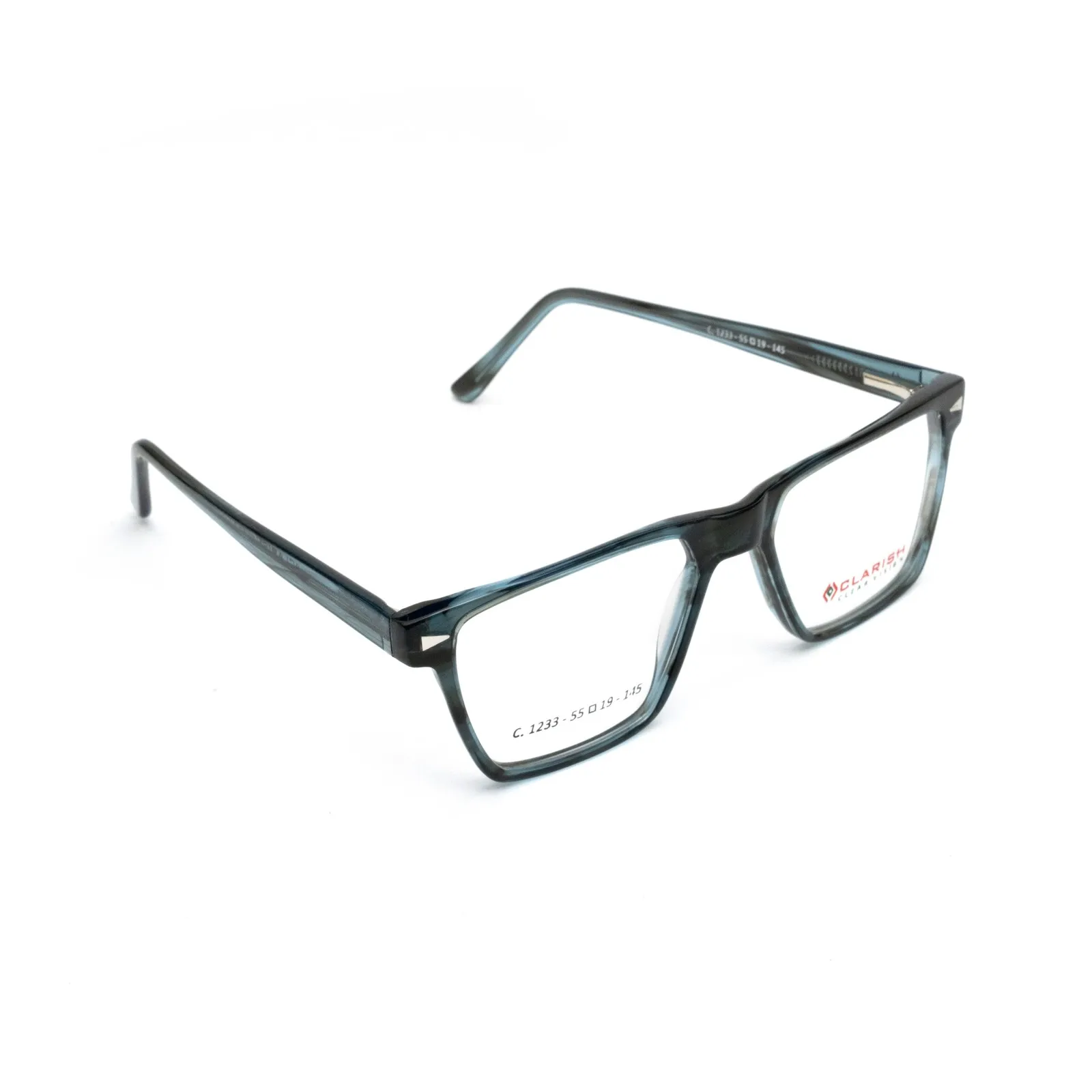
- Two or more coloured layers pressed into one sheet. As the rim is milled to profile, the layers surface at different depths — the effect on our C-1233 and C-1269 fronts.
- Graduated
- Colour transitions from saturated to clear within the sheet itself, so the gradient survives polishing. Used on C-247 and C-1271.
- Crystal & transparent
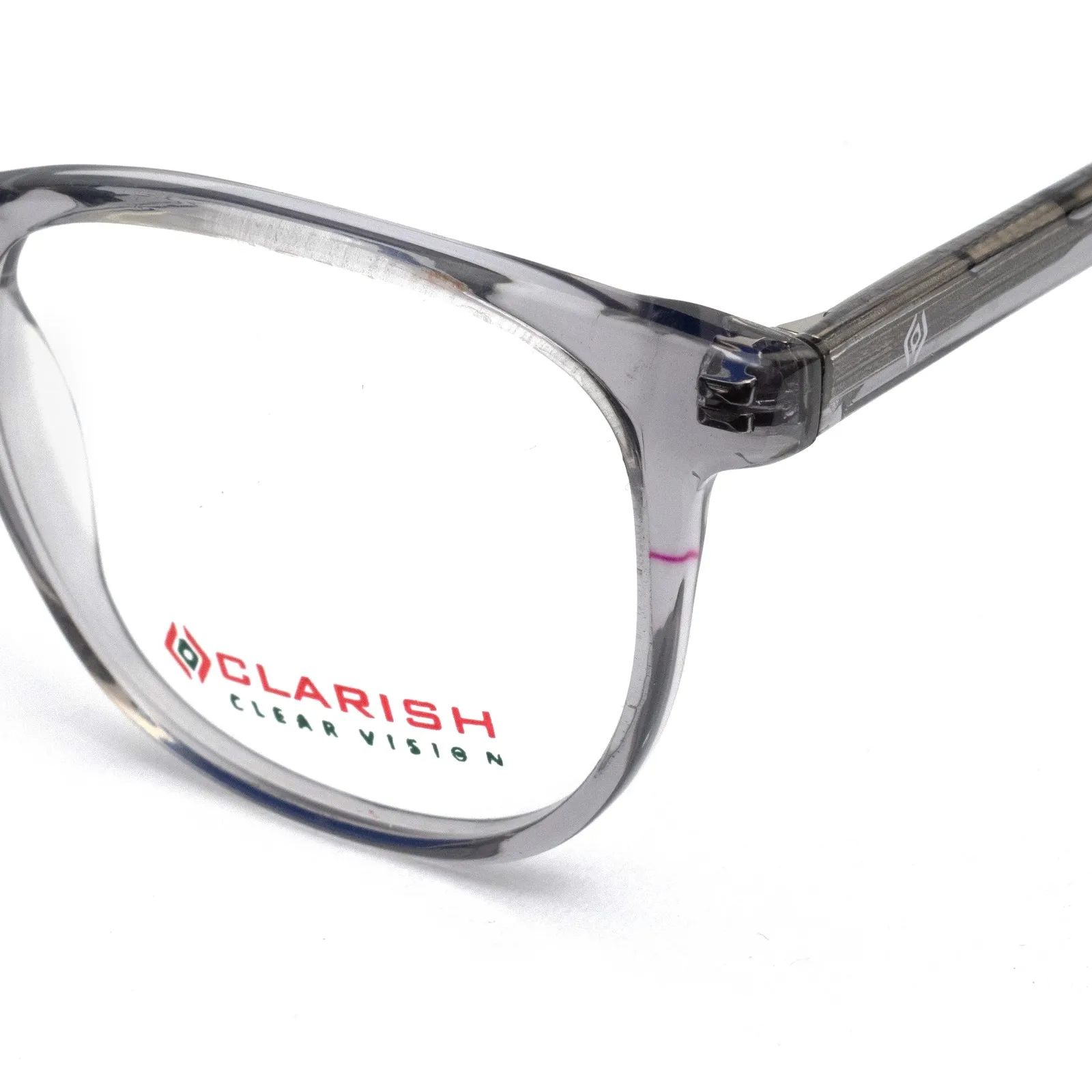
- Clear or lightly tinted sheet where the milled interior profile of the rim stays visible through the material. Unforgiving of tooling marks, so it demands a cleaner cut.
Components
The parts that are not acetate.
A frame is not one material. The pieces below are specified alongside the sheet, and they determine how the frame holds up after it leaves the factory.
Temple core wires
A metal core is set into each temple to stop it distorting over time and to hold an adjustment once made. Visible through the acetate on our transparent models.
Hinges
Hinge type is specified per programme — it affects assembly method, repairability and how the frame feels in the first month of wear. Confirmed at sampling rather than assumed.
Rims & lens seat
The groove that carries the lens is cut to the shape the glazing lab will work to. Getting this wrong creates problems that only appear at the point of sale.
Working in other materials
Our production is built around cellulose acetate, and that is what we publish here. If your programme calls for metal, combination or another construction, ask us directly — we will tell you plainly whether we can supply it or whether you are better served elsewhere. We would rather lose an enquiry than take on work we cannot do properly.
Ask about a material
Let's work together
See the material before you commit.
Tell us the colours and constructions you are considering and we will work through the options with you at sampling stage, before anything goes to production.